
Redefining Architectural Excellence: The Power of Precision Lighting. Lighting is the invisible architecture of a home. In the modern kitchen, functional elegance is not merely a preference—it is a requirement. Yet, many homeowners and professionals overlook the technical nuances required to achieve a truly professional glow.
Discover the transformative power of high-quality illumination. At SOUL LED Tech + Design, we provide the Premium Solutions necessary to turn a standard kitchen into a masterpiece of light and shadow. Below, we outline the primary pitfalls encountered in kitchen lighting design and the Strategic Solutions required to elevate your space.
1. Inadequate Lumens: The Error of Low Intensity
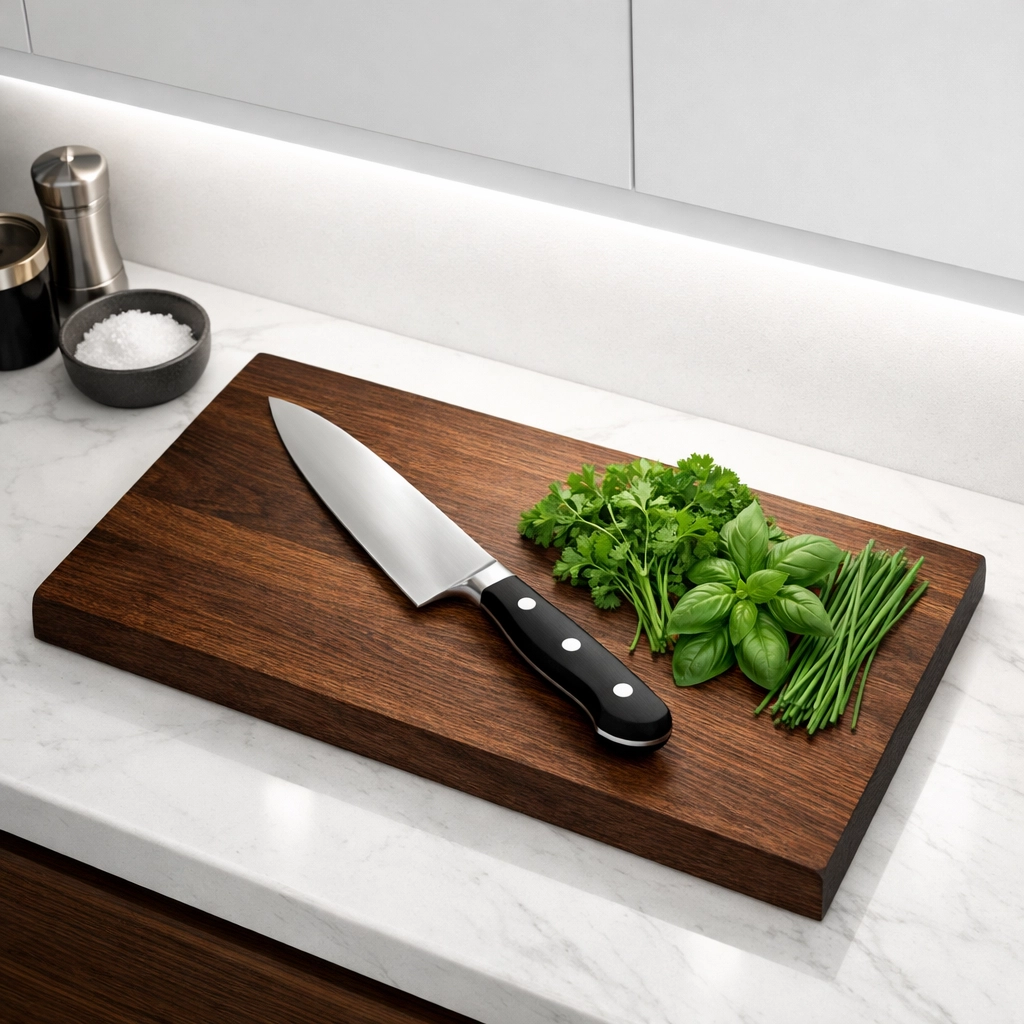
Illuminating the Workspace: Elevating Functionality through High-Output Solutions. Many installations fail because they prioritize ambiance over Utility. Using low-output LED strips results in a workspace that remains dim and hazardous.
A standard under-cabinet environment requires significant brightness to facilitate Precision Tasks—chopping, measuring, and reading recipes.
- The Mistake: Utilizing decorative-grade LED tape with insufficient Lumen density.
- The Solution: Opt for Professional Grade Linear Lighting. We recommend a range of 400 to 800 lumens per meter to ensure a bright, functional environment.
By integrating high-density LED strips from our Shop, you ensure that your Plan de Travail is perfectly illuminated, reflecting a commitment to Excellence.
2. Strategic Misalignment: The Shadow Dilemma
Positioning for Perfection: Eliminating Shadows with Strategic Placement. The placement of your light source dictates the quality of the visual experience. Installing fixtures too far back toward the wall creates a "scalloping" effect and leaves the front of the counter in Darkness.
- The Mistake: Placing the LED channel against the backsplash or too close to the rear of the cabinet.
- The Solution: Align the fixtures with the front lip of the upper cabinets.
This placement ensures the light falls directly onto the center of the counter, providing an even wash of illumination. At SOUL LED Tech + Design, we specialize in Custom LED Installation that accounts for every architectural detail, ensuring a Shadow-Free Environment.
3. Chromatic Distortion: The Impact of Poor CRI and Color Temperature
Chromatic Integrity: Selecting the Optimal Color Spectrum. Color Temperature and the Color Rendering Index (CRI) are the most critical factors in Modern Lighting Design.
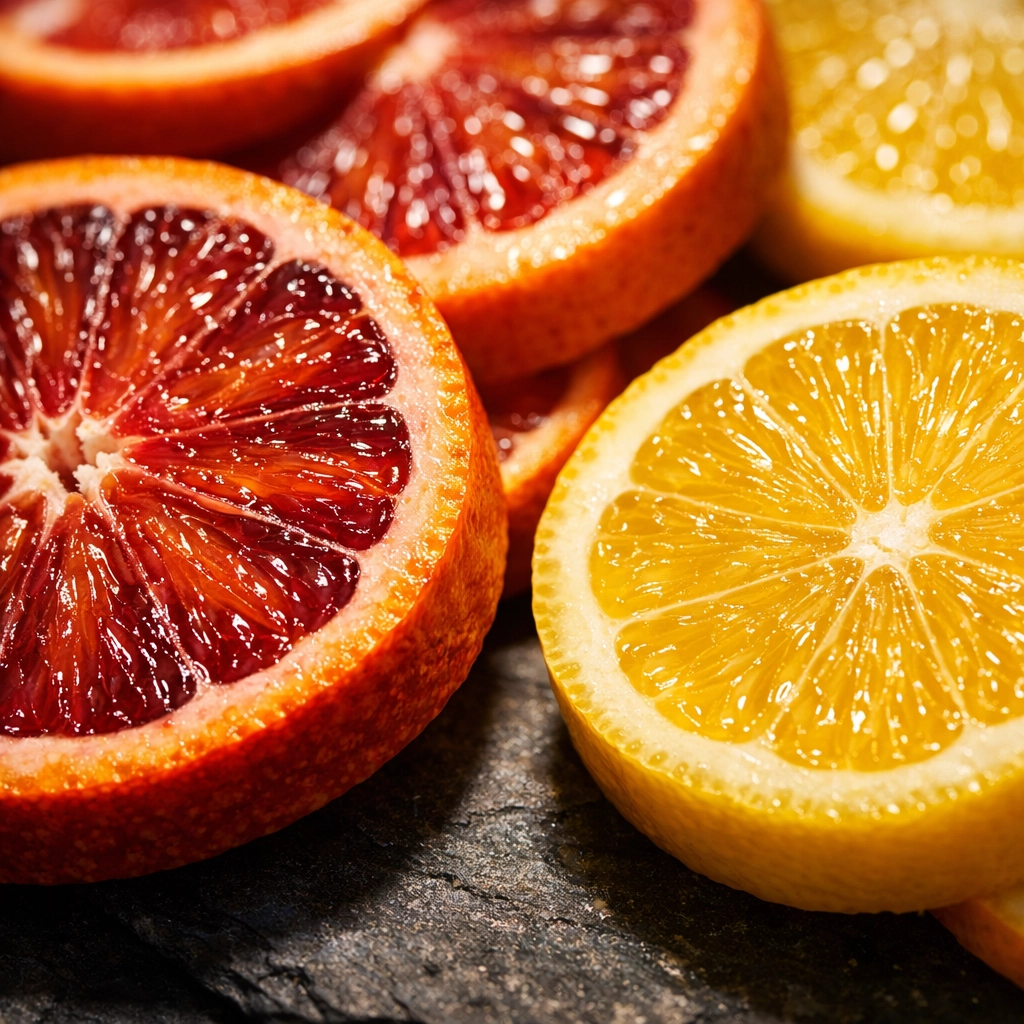
- The Mistake: Choosing "Cool White" (5000K+) which creates a sterile, hospital-like atmosphere, or "Warm White" (2700K) which can make modern kitchens look yellow and dated. Furthermore, low CRI LEDs make food look unappealing and dull.
- The Solution: Specify a Neutral White—typically between 3000K and 4000K—with a CRI of 90+.
High CRI lighting ensures that colors appear vibrant and true to life. Our About Us page highlights our dedication to sourcing components that respect the natural beauty of your materials, from marble countertops to custom wood finishes.
4. Environmental Vulnerability: Neglecting Moisture Resistance
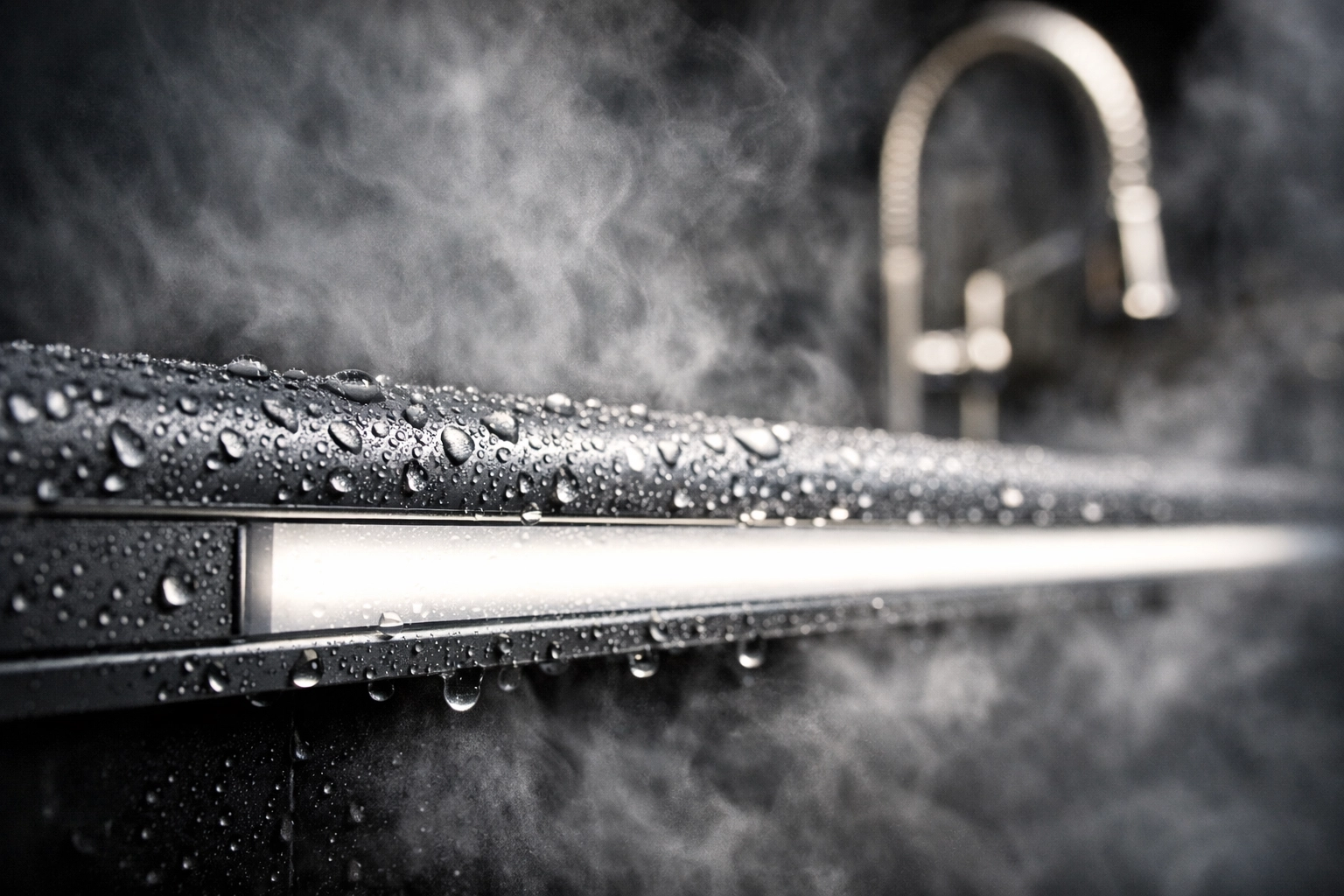
Durability Redefined: Ensuring Longevity in High-Moisture Environments. The kitchen is a demanding environment. Steam from boiling water, grease from cooking, and proximity to sinks can compromise standard electronic components.
- The Mistake: Using indoor-only (IP20) rated LED strips in areas exposed to steam or water splashes.
- The Solution: Utilize components with a minimum IP44 rating for general kitchen use, or higher for areas directly above sinks.
Protecting your investment is Paramount. Quality components engineered for longevity prevent premature failure and maintain the Aesthetic Integrity of your design.
5. Hardware Incompatibility: The Flicker Factor
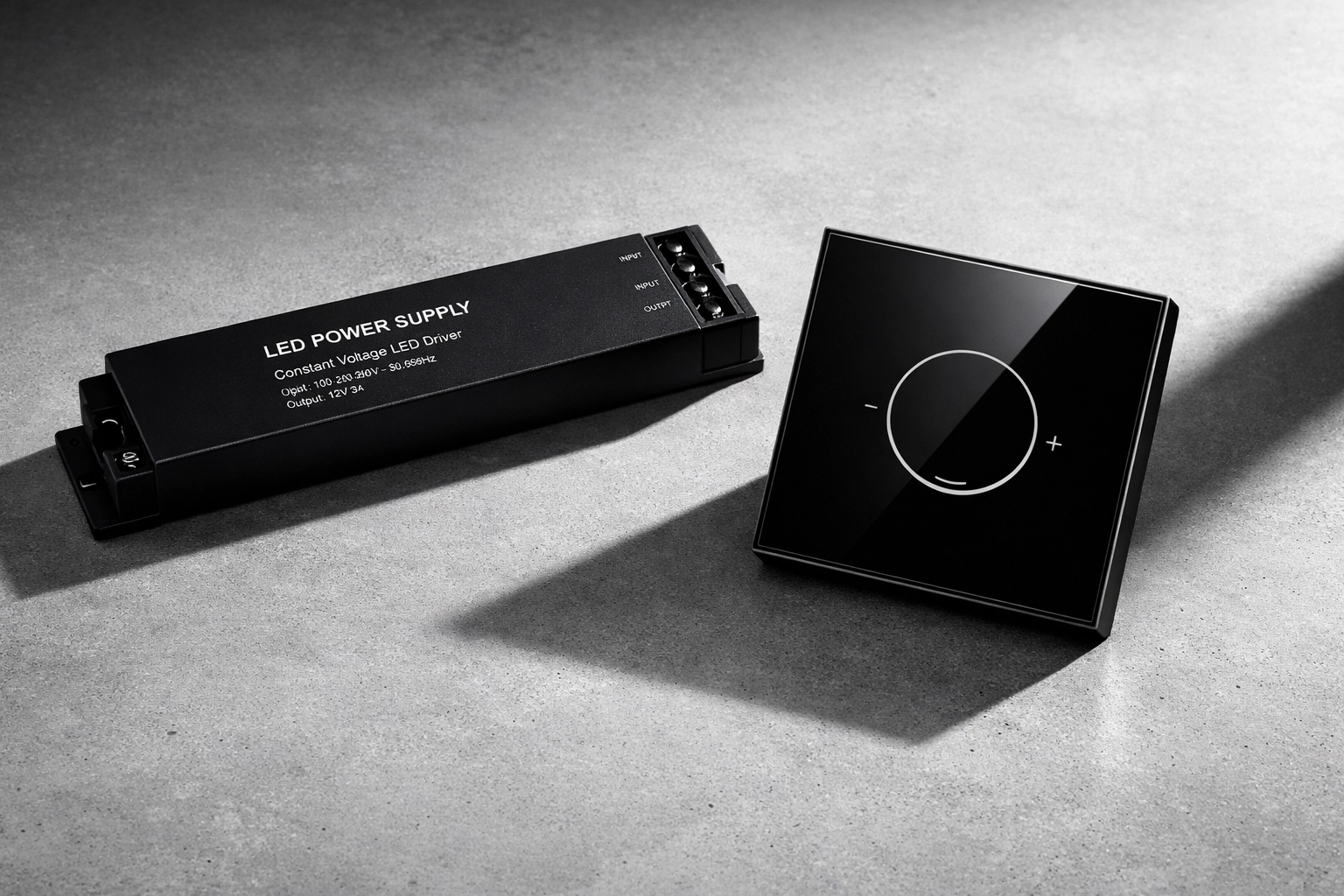
Seamless Connectivity: Optimizing Driver and Dimmer Compatibility. A common frustration in LED lighting is the phenomenon of flickering or buzzing—a direct result of Incompatible Hardware.
- The Mistake: Pairing high-quality LED strips with cheap, generic drivers or non-compatible dimmers.
- The Solution: Use Synchronized Systems. Ensuring that your power supply (driver) and your control interface (dimmer) are specifically engineered to work together is essential for a Smooth Dimming Experience.
We offer comprehensive guidance through our Wholesale Program to ensure that every technical component is Perfectly Matched for peak performance.
6. The Battery Trap: Sacrificing Quality for Convenience
Sustainable Power: Moving Beyond the Limitations of Battery-Operated Units. While "puck lights" or battery-operated strips offer a quick fix, they lack the Power and Consistency required for Luxury Kitchens.
- The Mistake: Choosing wireless or battery-powered units to avoid the complexities of hardwiring.
- The Solution: Commit to Hardwired Linear LED Systems.
Hardwired systems provide Uninterrupted Power and can be integrated into home automation systems for a truly Smart Home experience. Products like the Soul Link demonstrate the superiority of professional, connected lighting solutions over temporary fixtures.
7. Failure to Prototype: The Final Verification
Pre-Installation Verification: Guaranteeing Flawless Execution. Once an LED strip is adhered and the wires are tucked away, corrections become invasive and costly.
- The Mistake: Finalizing the installation without a live test of the lighting effect.
- The Solution: Perform a "Dry Run." Power the lights and hold them in position before permanent mounting.
Verify the beam angle, the reflection on the countertop (avoiding the "dotted" look by using proper diffusers), and the overall impact. This phase of the project is where Excellence is Verified.
7 erreurs que vous commettez avec l'éclairage sous les armoires (et comment les corriger)
Redéfinir l’Excellence Architecturale : Le Pouvoir de l'Éclairage de Précision. L'éclairage est l'architecture invisible d'une demeure. Dans la cuisine moderne, l'élégance fonctionnelle n'est pas une simple préférence—c'est une exigence. Pourtant, de nombreux propriétaires et professionnels négligent les nuances techniques nécessaires pour obtenir un éclat véritablement professionnel.
Découvrez le pouvoir transformateur d'une illumination de haute qualité. Chez SOUL LED Tech + Design, nous fournissons les Solutions Premium nécessaires pour transformer une cuisine standard en un chef-d'œuvre d'ombre et de lumière. Ci-dessous, nous décrivons les principaux pièges rencontrés dans la conception d'éclairage de cuisine et les Solutions Stratégiques requises pour élever votre espace.
1. Lumens Inadéquats : L'Erreur de la Faible Intensité
Illuminer l'Espace de Travail : Élever la Fonctionnalité grâce à des Solutions à Haute Puissance. De nombreuses installations échouent parce qu'elles privilégient l'ambiance au détriment de l'Utilité. L'utilisation de rubans LED à faible puissance produit un espace de travail sombre et risqué.
Un environnement standard sous les armoires nécessite une luminosité significative pour faciliter les Tâches de Précision.
- L'Erreur : Utiliser un ruban LED de qualité décorative avec une densité de lumens insuffisante.
- La Solution : Optez pour un Éclairage Linéaire de Grade Professionnel. Nous recommandons une plage de 400 à 800 lumens par mètre pour garantir un environnement brillant et fonctionnel.
En intégrant des rubans LED haute densité de notre Boutique, vous vous assurez que votre Plan de Travail est parfaitement illuminé.
2. Mauvais Alignement Stratégique : Le Dilemme des Ombres
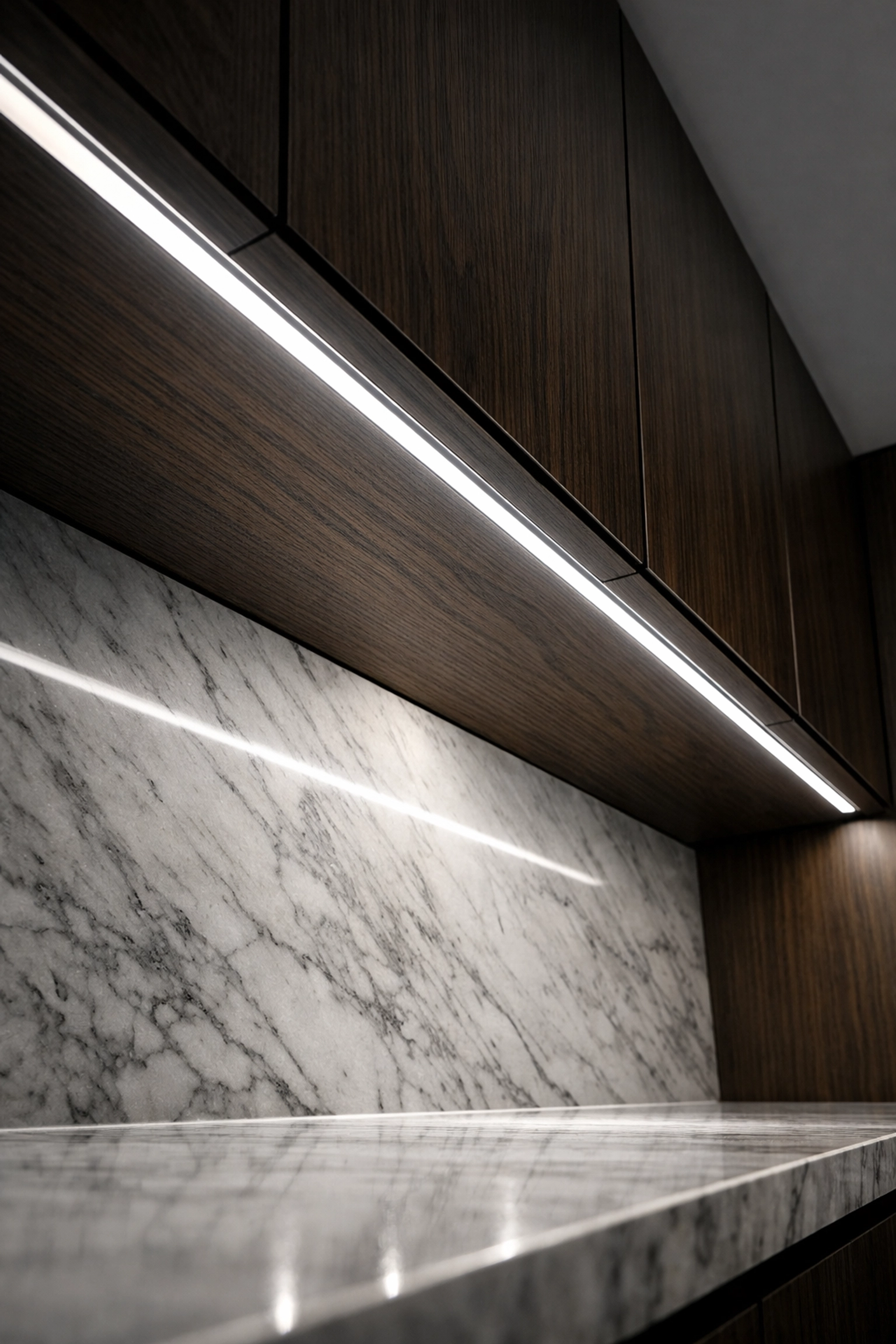
Positionner pour la Perfection : Éliminer les Ombres par un Placement Stratégique. L'emplacement de votre source lumineuse dicte la qualité de l'expérience visuelle. Installer des luminaires trop près du mur crée un effet de "vague" et laisse l'avant du comptoir dans l'obscurité.
- L'Erreur : Placer le profilé LED contre le dosseret ou trop près de l'arrière de l'armoire.
- La Solution : Alignez les luminaires avec le rebord avant des armoires supérieures.
Ce placement garantit que la lumière tombe directement au centre du comptoir. Chez SOUL LED Tech + Design, nous nous spécialisons dans l'Installation LED sur mesure qui tient compte de chaque détail architectural.
3. Distorsion Chromatique : L'Impact d'un Mauvais IRC et d'une Mauvaise Température de Couleur
Intégrité Chromatique : Sélectionner le Spectre Lumineux Optimal. La température de couleur et l'indice de rendu des couleurs (IRC) sont les facteurs les plus critiques de la conception d'éclairage moderne.
- L'Erreur : Choisir un "Blanc Froid" (5000K+) qui crée une atmosphère stérile, ou un "Blanc Chaud" (2700K) qui peut donner un aspect jaunâtre aux cuisines modernes. De plus, les LED à faible IRC rendent les aliments ternes.
- La Solution : Spécifiez un Blanc Neutre—généralement entre 3000K et 4000K—avec un IRC de 90+.
Un éclairage à IRC élevé garantit que les couleurs paraissent vibrantes et fidèles à la réalité. Notre page À Propos souligne notre dévouement à l'approvisionnement de composants qui respectent la beauté naturelle de vos matériaux.
4. Vulnérabilité Environnementale : Négliger la Résistance à l'Humidité
Durabilité Redéfinie : Assurer la Longévité dans les Environnements Humides. La cuisine est un environnement exigeant. La vapeur et la graisse peuvent compromettre les composants électroniques standards.
- L'Erreur : Utiliser des rubans LED classés pour l'intérieur uniquement (IP20) dans des zones exposées à la vapeur.
- La Solution : Utilisez des composants avec un indice de protection minimum de IP44 pour un usage général en cuisine.
Protéger votre investissement est Primordial. Les composants de qualité conçus pour la longévité préviennent les défaillances prématurées.
5. Incompatibilité Matérielle : Le Facteur de Scintillement
Connectivité Fluide : Optimiser la Compatibilité des Pilotes et des Gradateurs. Une frustration courante dans l'éclairage LED est le phénomène de scintillement—un résultat direct d'un Matériel Incompatible.
- L'Erreur : Associer des rubans LED de haute qualité à des pilotes bon marché ou des gradateurs non compatibles.
- La Solution : Utilisez des Systèmes Synchronisés. Il est essentiel que votre alimentation et votre interface de contrôle soient spécifiquement conçues pour fonctionner ensemble.
6. Le Piège des Piles : Sacrifier la Qualité pour la Commodité
Énergie Durable : Dépasser les Limites des Unités à Piles. Bien que les lampes à piles offrent une solution rapide, elles manquent de la Puissance et de la Constance requises pour les Cuisines de Luxe.
- L'Erreur : Choisir des unités sans fil pour éviter la complexité du câblage.
- La Solution : Engagez-vous dans des Systèmes LED Linéaires Câblés.
Les systèmes câblés offrent une Puissance Ininterrompue et peuvent être intégrés dans des systèmes domotiques. Des produits comme le Soul Link démontrent la supériorité des solutions professionnelles.
7. Échec du Prototype : La Vérification Finale
Vérification Pré-Installation : Garantir une Exécution Sans Faille. Une fois qu'un ruban LED est collé, les corrections deviennent coûteuses.
- L'Erreur : Finaliser l'installation sans un test en direct de l'effet lumineux.
- La Solution : Effectuez un "Essai à Blanc." Allumez les lumières et maintenez-les en position avant le montage permanent.
Vérifiez l'angle du faisceau et l'absence de "points" lumineux grâce à l'utilisation de diffuseurs appropriés. C'est à cette étape du projet que l'Excellence est Vérifiée.